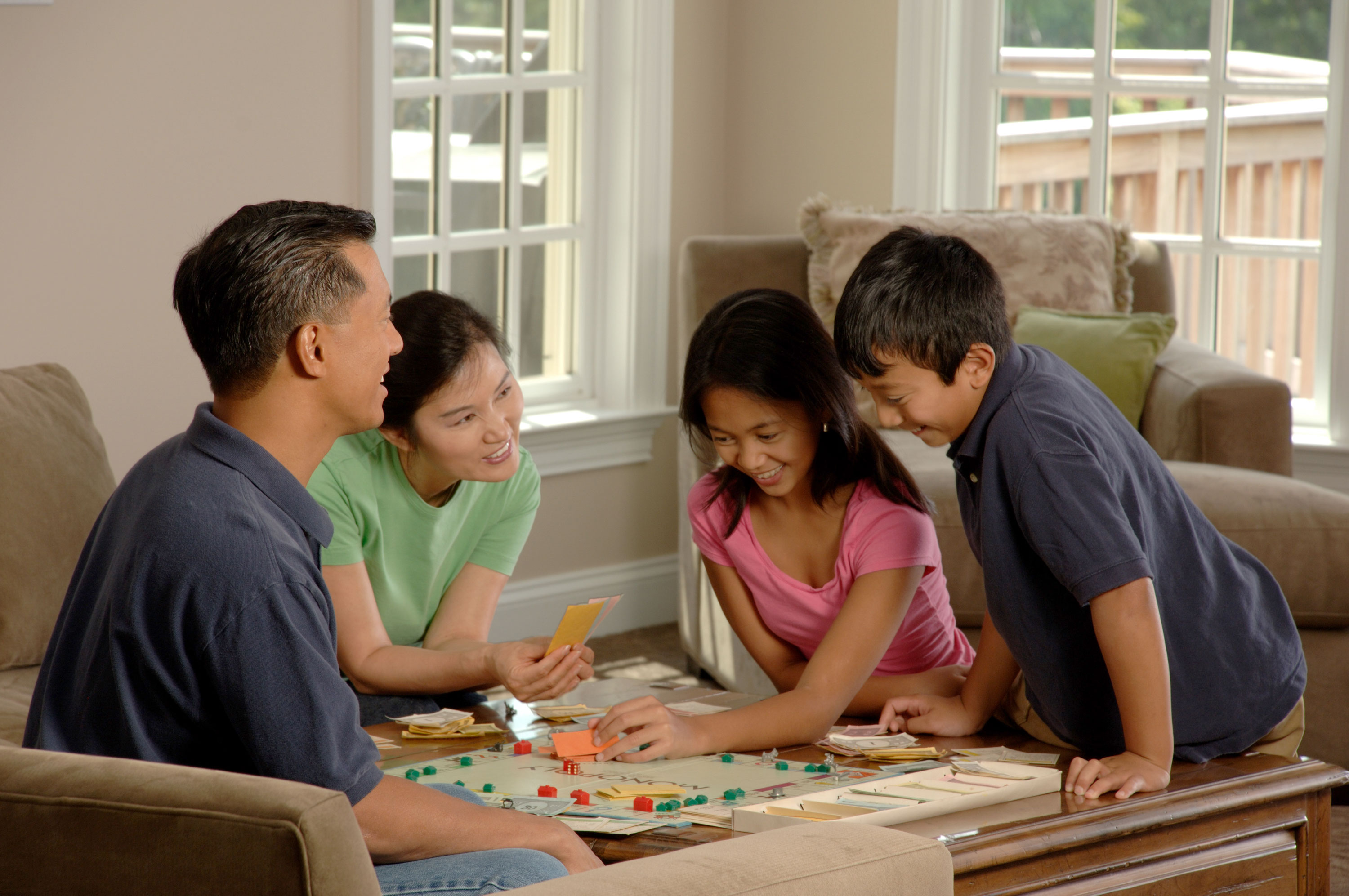
Organising a family game night sounds simple in theory. In practice, finding a game that genuinely works for a group where ages, attention spans, and interests vary enormously is one of the hardest problems in tabletop gaming. I have been running family game sessions for over eight years, and I have learned more from the failures than the successes.
The biggest mistake people make is choosing a game that is too complex for the youngest player or too simple for the oldest. The sweet spot exists, but it varies depending on your specific family. What follows are the principles and specific recommendations that have worked consistently across many different family groups.
The Fundamentals of a Good Family Game Night
Timing Matters More Than the Game
Start earlier than you think. A game that begins at 8pm when younger children are already tired will not go well regardless of how good the game is. Weekend afternoons work best in my experience, when energy levels are higher and there is no pressure about bedtime.
Keep sessions to about 90 minutes maximum, including setup and explanation. If a game runs longer, younger players will lose focus and the experience degrades for everyone. It is better to finish on a high note and play again next time than to push through a game that has stopped being fun.
Start with What You Know
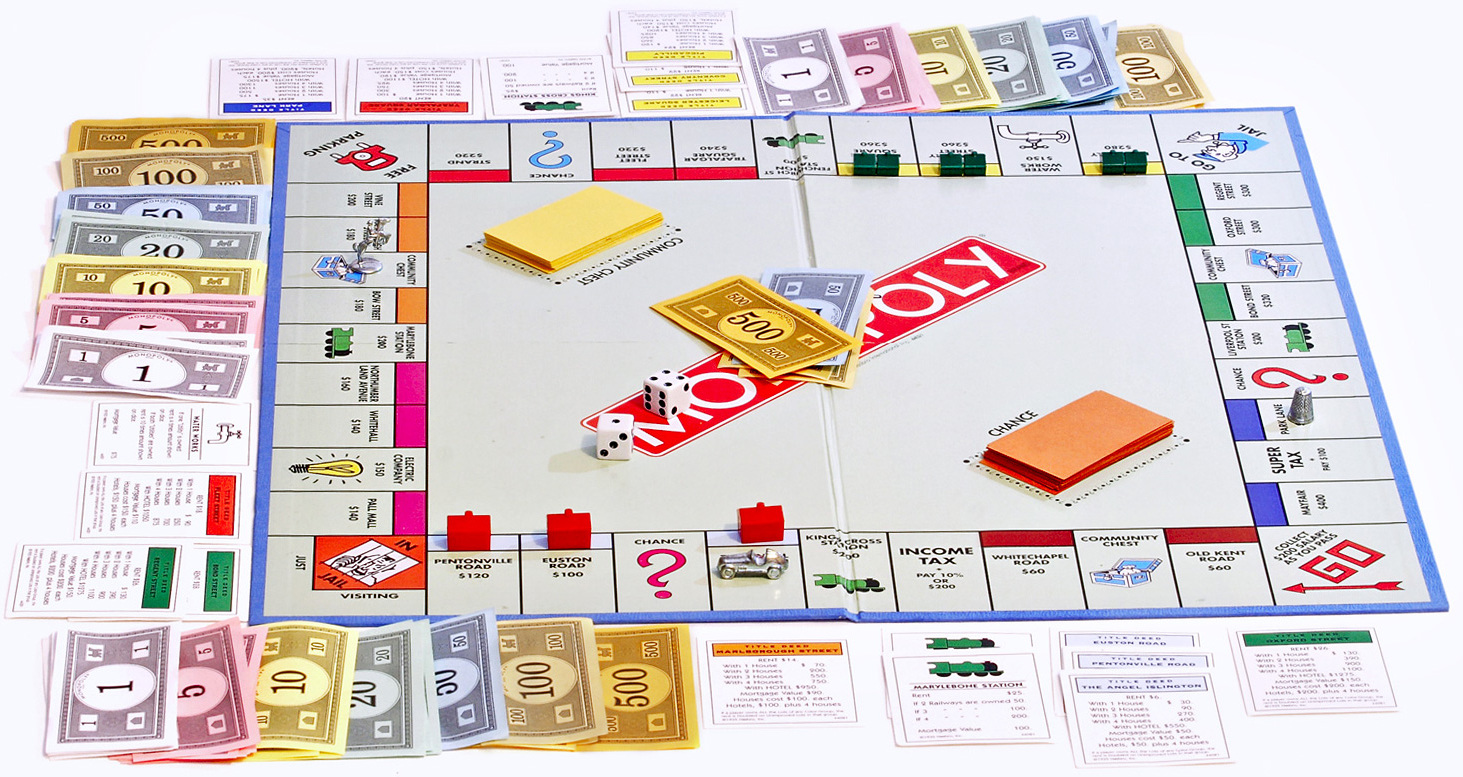
If your family has never played modern board games, do not start with something unfamiliar to everyone. Begin with an upgraded version of something they already understand. Monopoly Deal (the card game version) is faster and more strategic than traditional Monopoly. Qwirkle uses colour and shape matching that anyone can grasp immediately.
Recommendations by Age Group
Ages 5-7: Building Confidence
At this age, the priority is participation rather than competition. Games where everyone can contribute and the rules are visually intuitive work best.
- Rhino Hero: A stacking and balancing game that plays like a board game version of building a card house. Children love the physical element, and it genuinely holds adult attention as the tower gets precarious.
- Dobble (Spot It): A pattern-matching game that plays in minutes. The quick rounds mean no one waits long for their turn, and the visual nature means reading ability is not required.
- My First Carcassonne: A simplified version of the classic tile-laying game. Players place tiles to build roads and meadows, placing their followers on completed roads. The decisions are simple but real.
Ages 8-11: Growing Complexity
Children in this range can handle real strategy, especially if they have some experience with simpler games. The key is finding games where strategic depth exists but individual turns do not take too long.
- Kingdomino: A tile-drafting game where players build a 5x5 kingdom. The rules take five minutes to learn, games last about 20 minutes, and the puzzle of fitting your tiles together optimally has real depth. This works brilliantly as a family game.
- Carcassonne: The original version. Place tiles to build cities, roads, and fields, then claim them with your followers. The spatial puzzle is engaging at all ages, and the game plays in about 30-45 minutes.
- Dixit: A storytelling game with surreal artwork. One player gives a clue about their card, and others try to find it among decoy cards. This rewards creativity and imagination rather than strategic calculation, which levels the playing field between adults and children.
Ages 12 and Up: Full Family Games
Teenagers can handle (and often prefer) the same games that adults enjoy. The challenge at this age is more about engagement than complexity, as competing with phones and other entertainment for attention is the real obstacle.
- Codenames: A word association game played in teams. One player gives one-word clues to help their team identify specific words on a grid. It creates memorable moments and works well with larger groups.
- Ticket to Ride: Europe: The full game works well from age 10-12 onwards. The map includes Hungary, which adds a personal connection. Games last about 60 minutes and accommodate 2-5 players.
- Pandemic: A cooperative game where all players work together to stop disease outbreaks. The cooperative nature eliminates the problem of competitive frustration, and the shared problem-solving creates genuine teamwork.
Quick Reference: Family Game Selection
- 2-3 players: Kingdomino, Azul, Patchwork (2 players only)
- 4-6 players: Codenames, Dixit, Ticket to Ride
- Mixed ages (wide range): Rhino Hero, Dobble, Kingdomino
- Short games (under 30 min): Dobble, Kingdomino, Love Letter
- Games that teach cooperation: Pandemic, Forbidden Island, The Crew
Common Mistakes to Avoid
After years of organising game nights for families, both my own and others, these are the patterns that consistently cause problems:
- Forcing participation. If someone does not want to play, let them watch or do something else. Forced fun is not fun. Often, watching a round will make them want to join the next one.
- Playing too long. Stop when people are still enjoying themselves. Ending on a positive note is more important than finishing the game. Modern games are designed to be replayed.
- Over-explaining rules. Teach the minimum needed to start playing, then explain details as they come up. Learning by doing is faster and more enjoyable than a 15-minute lecture.
- Choosing competitive games for sore losers. If someone in the group struggles with losing, cooperative games exist specifically for this situation. There is nothing wrong with avoiding direct competition.
- Neglecting the setup. Clear the table properly, have good lighting, and put phones away. The physical environment affects the experience more than people realise.
Where to Buy Family Games in Hungary
The specialist shops mentioned in the strategy guide all carry excellent selections of family games. Staff at shops like Gamesland are typically experienced gamers who can make specific recommendations based on your family's ages and preferences.
For a broader overview of family games, the BoardGameGeek Family Games guide is regularly updated and community-driven. The Spiel des Jahres (Game of the Year) award from Germany consistently identifies excellent family games, and winners from recent years are generally available in Hungary.